What to Expect

Your visit, from start to finish.

Every visit is one-on-one with your practitioner. Your treatment is selected and adjusted based on how you're feeling that day, not a fixed protocol.
Initial Visit

60 minutes

  • Comprehensive health consultation and intake assessment
  • Full acupuncture treatment
  • Personalized treatment plan with recommended frequency

Follow-up Visits

45 minutes

  • Focused acupuncture treatment
  • Ongoing evaluation and adjustment of your plan
  • Additional modalities as needed (cupping, gua sha, moxa)
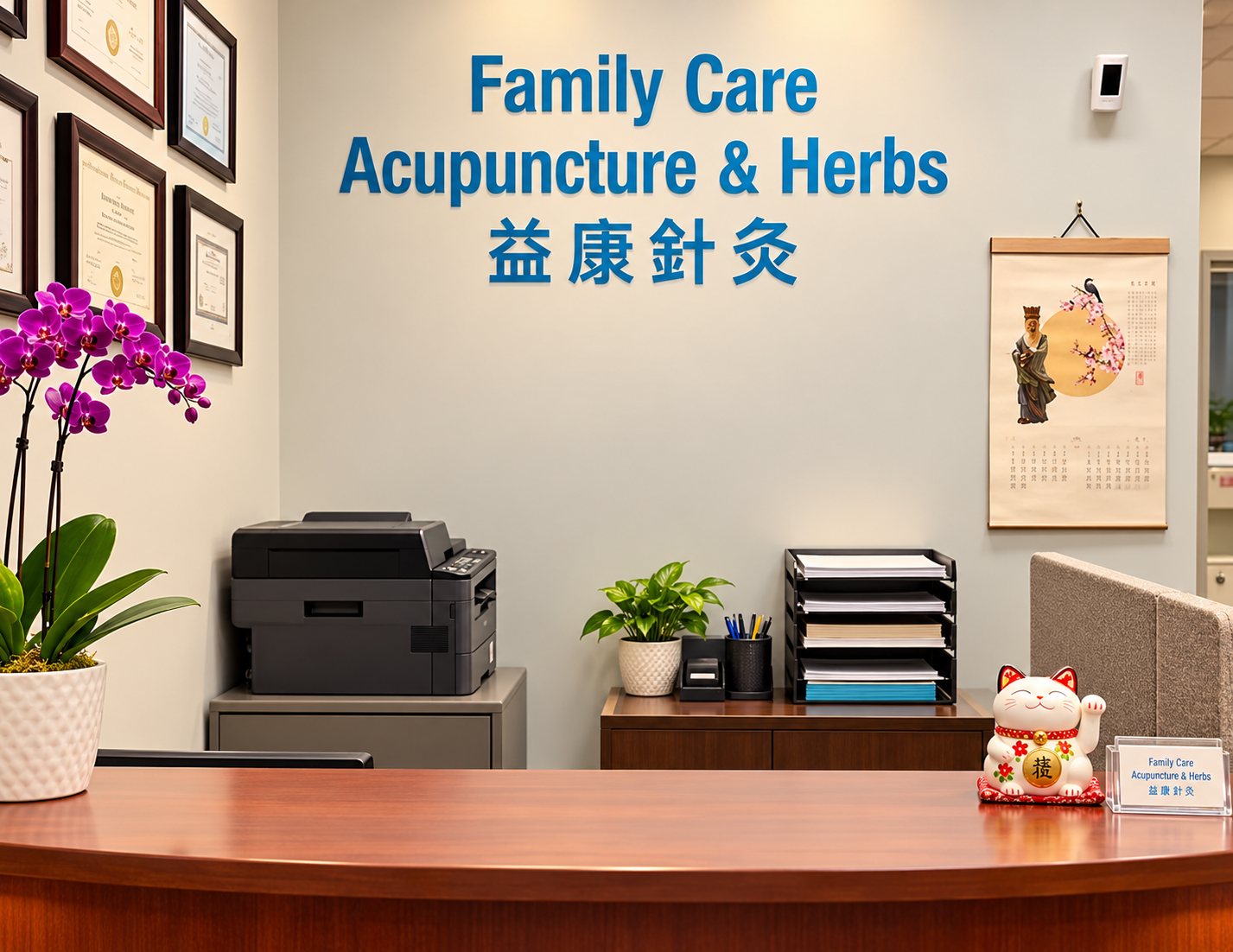
Inside Family Care Acupuncture & Herbs clinic
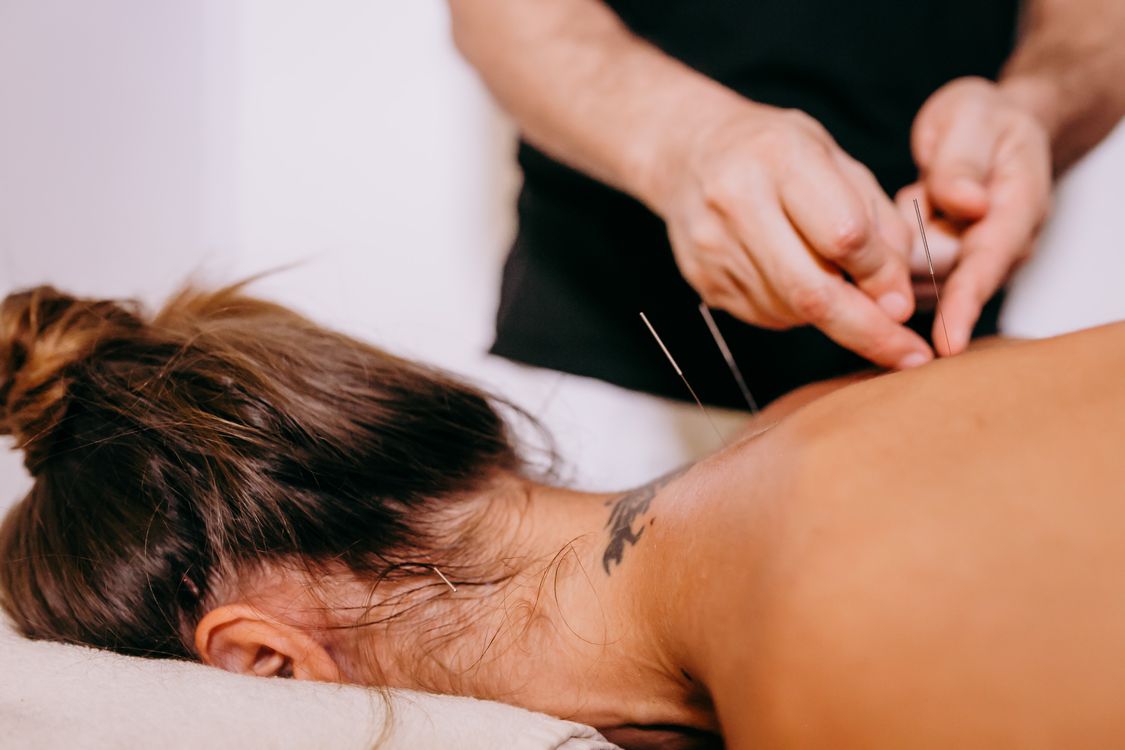
Practitioner inserting acupuncture needles along the patient's back

Foundational Treatment

Acupuncture

Fine, sterile, single-use needles are placed at specific points along the body's meridian pathways to restore balance, promote circulation, and support the body's natural healing processes. Sessions typically include rest time with needles in place.
Commonly used for
Chronic & acute pain Bell's palsy Stress & anxiety Sleep difficulties Headaches & migraines Women's health Sports recovery
What to expect

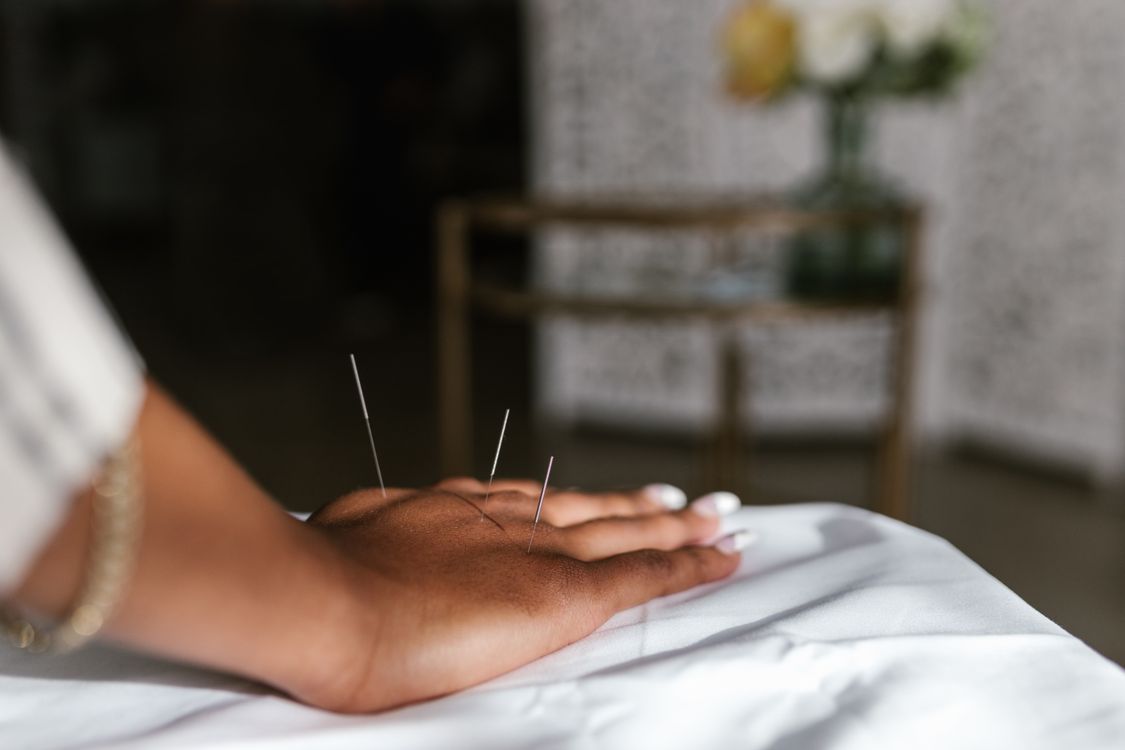
Most patients feel little to no discomfort during needle insertion. A mild sensation of warmth, heaviness, or tingling (called de qi) is normal and often a sign that the point is active. You will rest comfortably with needles in place for 20–35 minutes.

Patient receiving an acupuncture treatment session

Enhanced Stimulation

Electroacupuncture

A small electrical current is passed between pairs of acupuncture needles, enhancing stimulation of specific points and prolonging the therapeutic effect, particularly useful for musculoskeletal conditions and nerve-related pain.
Commonly used for
Muscle spasms Nerve pain Sciatica Sports injuries Post-surgical recovery Chronic pain syndromes
What to expect

You'll feel a mild rhythmic tingling or tapping sensation at the needle sites. The intensity is always kept within a comfortable, therapeutic range. Not suitable for patients with pacemakers. Let us know if this applies to you.

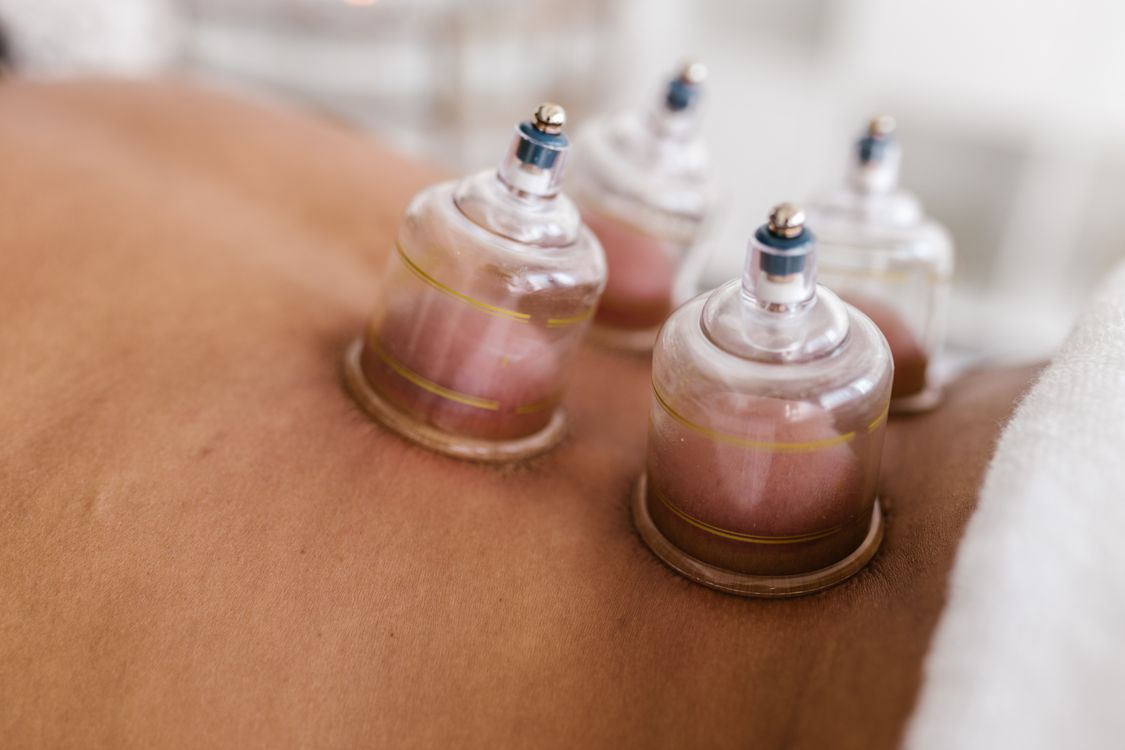
Glass cupping cups applied to a patient's back during a therapy session

Tension Release

Cupping Therapy

Glass or silicone cups are placed on the skin and a gentle suction is created, drawing the tissue upward. This lifts and separates the layers of muscle and fascia, promotes blood flow, and releases deep-seated tension in areas like the back, shoulders, and neck.

Commonly used for
Back & neck tension Shoulder tightness Poor circulation Respiratory support Athletic recovery
What to expect

Cupping feels like a firm, pulling pressure. Many patients find it deeply relaxing. Circular marks (called sha) may appear on the skin afterward and typically fade within 3–7 days. These are not bruises but a normal response showing stagnation being released.

Assorted Chinese herbs in bowls with herbal tea — traditional herbal medicine

Internal Medicine

Chinese Herbal Medicine

Chinese herbal formulas combine individual herbs (roots, bark, seeds, leaves, and flowers) into precise combinations tailored to your specific pattern of imbalance. Herbal medicine works systemically and can extend the benefits of acupuncture between sessions.
Commonly used for
Digestive issues Hormonal imbalance Immune support Insomnia Chronic fatigue Menstrual irregularity
What to expect

Formulas are dispensed as granules, capsules, or raw herbs depending on your preference. Your practitioner will check for herb–drug interactions and adjust formulas as your symptoms evolve. Results typically develop over 2–6 weeks of consistent use.

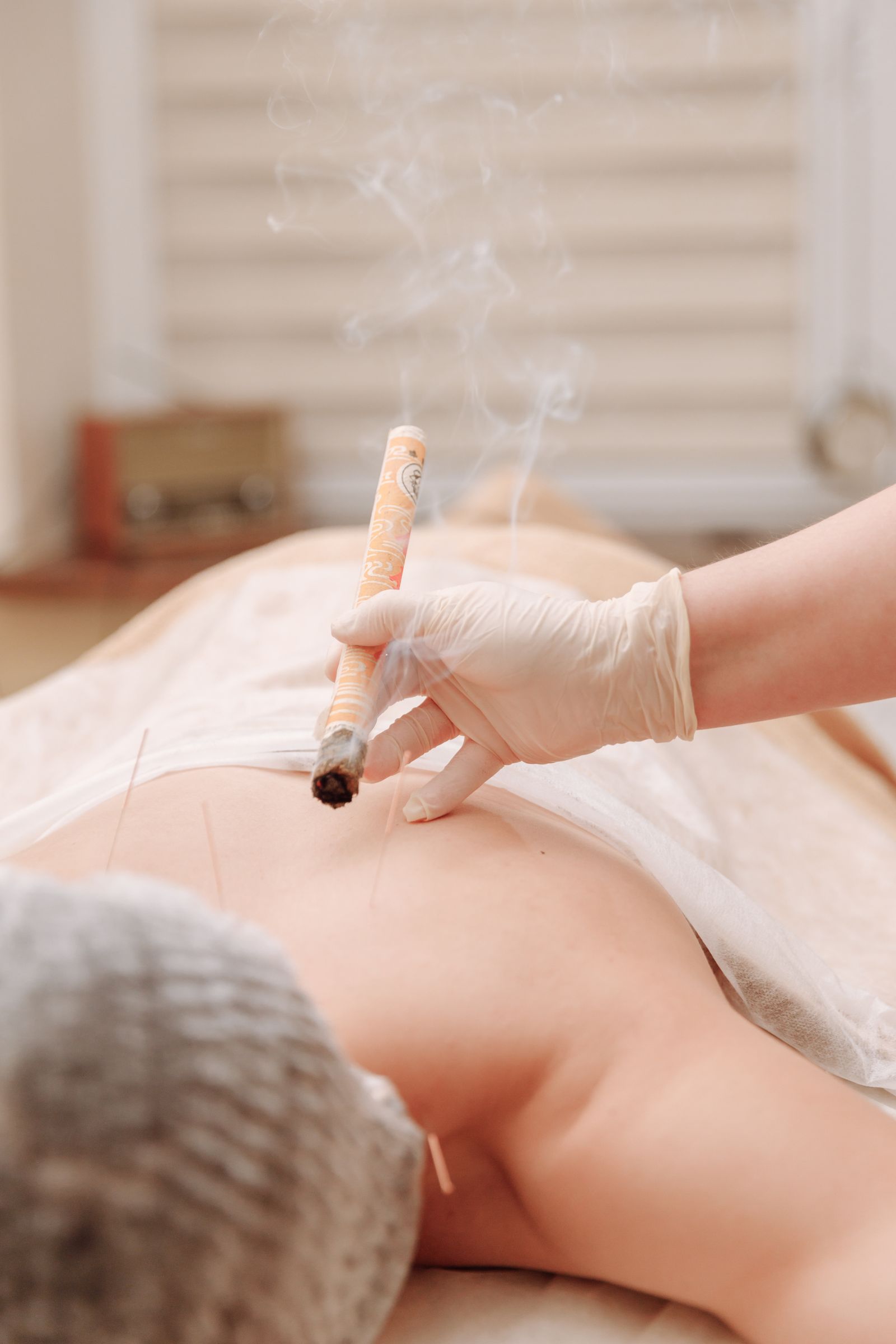
Practitioner holding a lit moxa stick during moxibustion therapy

Warming Therapy

Moxibustion

Dried mugwort (Artemisia vulgaris) formed into sticks or cones is burned near but not touching the skin over specific acupuncture points. The radiant warmth penetrates deeply, tonifying yang energy and dispersing cold and stagnation in the channels.
Commonly used for
Cold & deficient conditions Menstrual pain Breech presentation Immune support Digestive weakness
What to expect

You'll feel a pleasant, penetrating warmth at the treatment site. Your practitioner moves the moxa continuously to maintain a comfortable temperature. Smokeless moxa is available if you are sensitive to smoke.

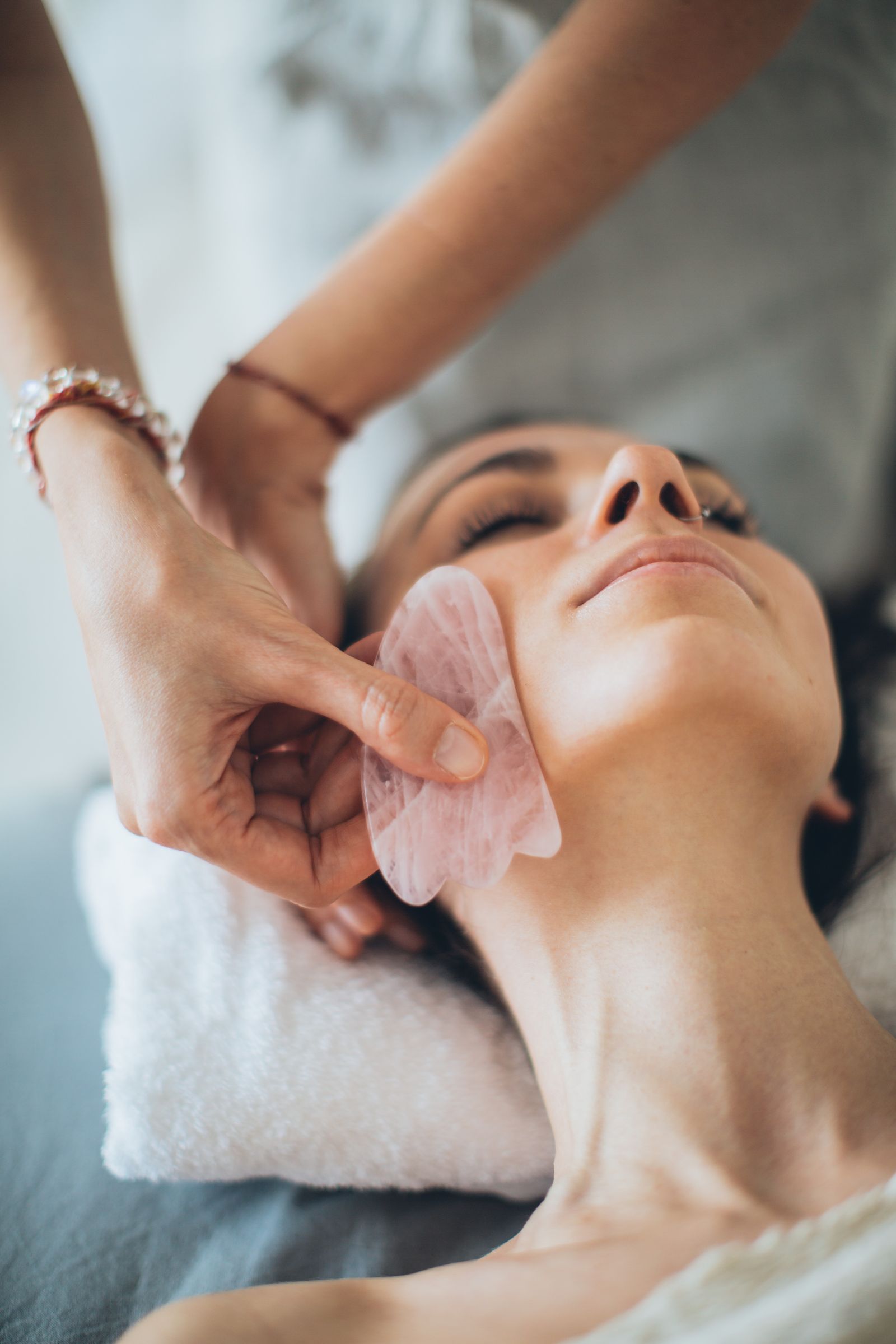
Practitioner performing gua sha massage with a smooth tool

Soft Tissue Technique

Gua Sha

A smooth-edged tool is pressed firmly against the skin and drawn in long strokes along the body's channels. This breaks up adhesions, improves local circulation, and relieves stiffness, especially in areas where tension has accumulated and resisted other treatments.

Commonly used for
Neck & upper back stiffness Scar tissue Restricted range of motion Chronic muscle pain Post-injury tightness
What to expect

Gua sha produces temporary redness or petechiae on the treated area; this resolves within a few days. The sensation ranges from firm pressure to mild scraping. Most patients notice immediate improvement in mobility and range of motion.

Not sure which treatment is right for you?

You don't need to decide before your first visit. Your practitioner will assess your situation and explain their recommendations clearly. Text us to schedule a free consultation.

Book an Appointment Call or Text (773) 964-1922
Call Text Book